Travelers Insurance made a wonderful 'winter home maintenance tips' article. It is below. Have a safe and happy winter!
As winter nears, make sure your home is prepared to withstand another season of cold temperatures, driving winds and icy conditions. The maintenance that you do today can help prevent more costly emergency repairs in the height of a storm, when it can be difficult to find supplies and licensed contractors.
Following are five important categories to focus on for this winter:
Your Heating System
Before you give your heating system a workout this winter, take the time for preventive maintenance. It may help extend the life of your system and identify potential problems.
Before winter:
- Have your furnace or boiler checked and serviced by a licensed contractor at least once a year, preferably before the heating season begins.
- Clean or replace the furnace filter on forced hot air systems.
- Have your chimney checked and serviced by a licensed contractor at least once a year. Pay particular attention to having creosote build-up removed for chimneys servicing woodstoves and fireplaces.
During winter:
- Have your fuel tanks filled and keep an eye on levels throughout the winter.
- Set your heat no lower than 55 degrees as the temperature inside the walls where water piping is located is colder than the living spaces; open doors to unoccupied rooms to keep an even temperature throughout the house.
- Maintain your wood-burning or pellet stoves according to the manufacturer's instructions.
Your Insulation
Is your insulation prepared to protect you from the cold? As an important line of defense from winter’s gusty winds and freezing temperatures, it is worth taking some time to inspect and upgrade insulation and weather stripping before the season starts.
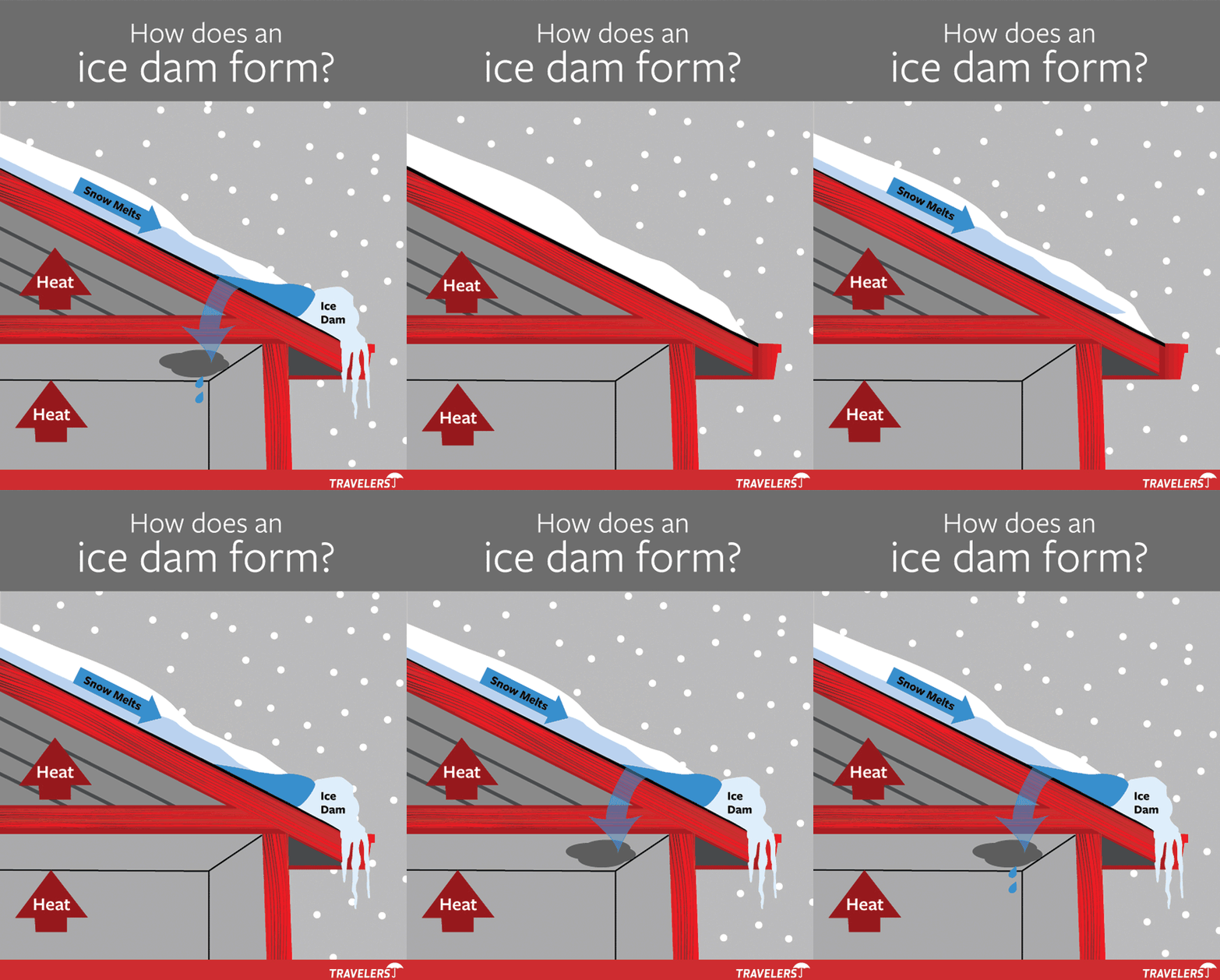
- Add extra insulation in the attic to guard against ice dams. If too much heat escapes into the attic, it can warm the ice and snow on the roof. When it refreezes, it can cause an ice dam, which can lead to water damage inside your home or possibly even a roof collapse.
- Add weather stripping around doors and caulk windows to guard against drafts and heat loss.
- Remove screens from windows, and install storm windows.
Your Utilities
Freezing temperatures can be especially damaging to your home’s water piping. Make sure your pipes are adequately prepared to withstand a cold snap and remember to take extra precautions if you are going to be leaving your home, including shutting off your water.
- Check for water leaks and fix problems immediately; wrap water piping in UL-Listed heat tape and insulate if it is exposed in unheated areas such as garages, crawl spaces or attics. Use only thermostatically controlled heat tape if your water piping is plastic and follow the manufacturer's installation instructions.
- Learn how to shut off your water and know where your pipes are located in case they do freeze; you may be able to prevent water damage.
Your Winter Safety Measures
As you prepare for winter, following are some further safety measures that are especially important during the cold season.
- Trim trees and remove dead branches so they do not damage your home or injure someone if they fall because of ice, snow or wind.
- Keep gutters clear of leaves, sticks and other debris to ensure melting snow can drain properly. Make sure downspouts direct water away from the foundation.
- Repair steps and handrails to make them safer in the ice and snow.
- Check smoke detectors, fire alarms and carbon monoxide detectors and replace batteries to ensure they are operating properly.
Your Key Supplies and Equipment
The first storm of the year can come sooner than you think. Stock up early and get key equipment, like snow blowers and generators, in good working condition long before you need them, so you can be prepared to enjoy what the season has to offer.
- Make sure you have snow shovels and a roof rake on hand. Stock your ice melting compound to melt ice on walkways.
- Have your snow blower and generator serviced and any necessary repairs made.
- Keep fuel for snow blowers and generators in approved safety containers and away from heat or flame producing devices. Do not store fuel in your basement.